
BROAD STROKES TIMELINE
ALL THE BEST AND MOST RELEVANT STUFF
DYNASTIC CHINA
CHRISTIAN EUROPE
c. 6200–5400 BCE
Xinglongwa culture: a stacked-stone dragon figure (nearly 20 m long) at Fuxin, Liaoning. It's the oldest known image resembling a dragon, occupying the center of a settlement near burial pits.

c. 3500–3000 BCE
Hongshan culture jade dragons: either the “pig dragon” (zhulong) and the C-shaped dragon:
1) Pig dragon: wrinkled snout, pricked ear, rounded belly. Potential connection with boars or bears.
2) C-shaped dragon: elongated snout, extremely streamlined body, flowing mane. Imbued with dynamism and gracefulnes.
Current scholarship has connected these “animal-embryo” dragons to fertility/procreation rituals, considering embryos to be a representation of the life force: an “eternal pulse.” Metatextually, that symbolism is incredibly fitting: after all, this was created by people whose society, art, and culture were also in their infancy.

c. 3000 – 2000 BCE
The mušḭuššu (“furious serpent”) appears in Sumerian and Akkadian art — a composite of snake, lion, and eagle. This is the earliest ancestor of the hybrid “dragon” body plan. Later immortalised on the glazed-brick Ishtar Gate of Babylon (575 BCE), built for Nebuchadnezzar II and sacred to the god Marduk.

Very different from the dragon rider of Dreamworks' animated film franchise, with a bit more cowering from imperial authority, but seeing the parallel is still very interesting!
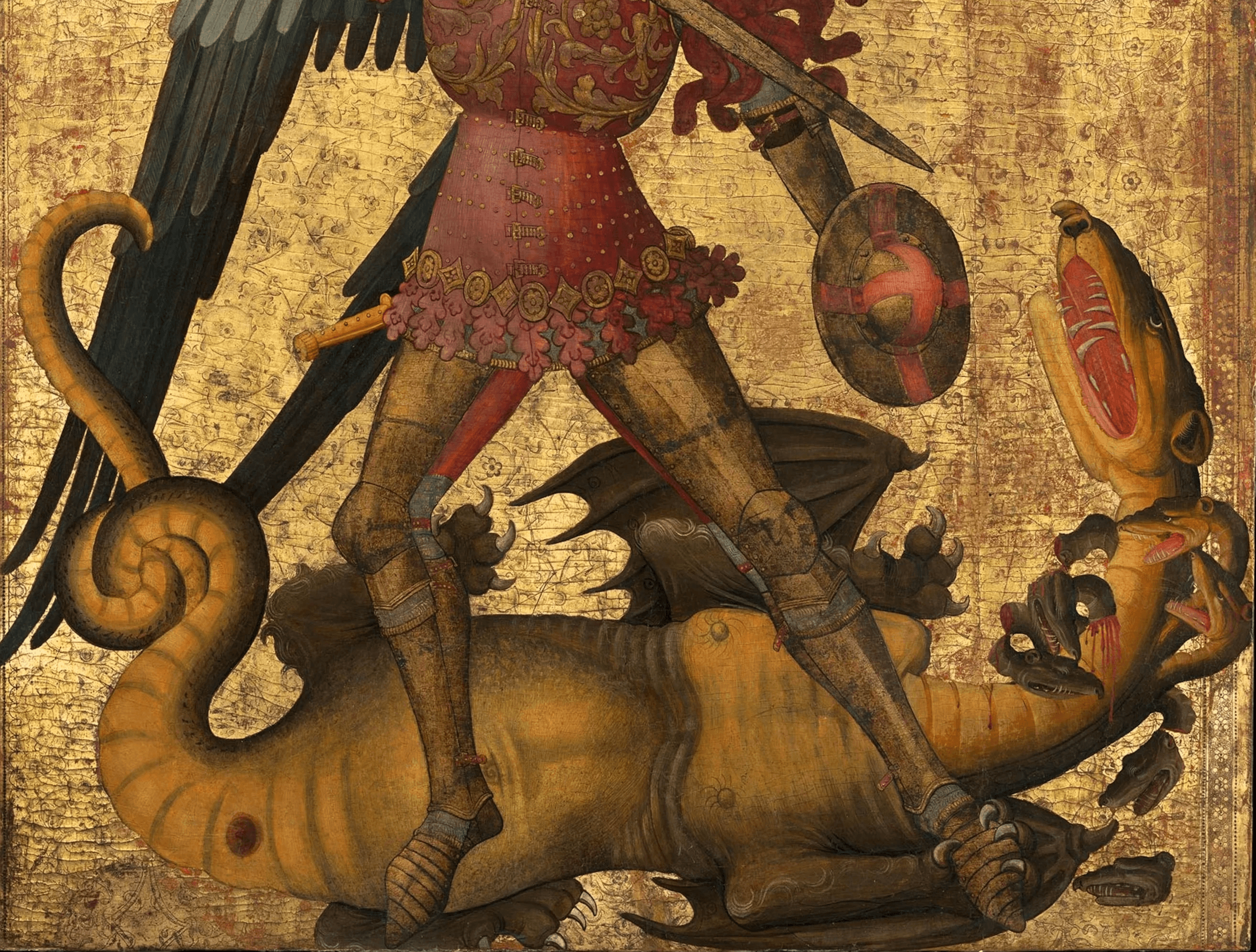
Contemporary scholars believe the "dragons" mentioned were likely closer to crocodiles.
13th c. CE onward (Gothic)
Dragons grow more naturalistic — bat-like membranous wings, crocodile/lizard bodies — spurred by renewed study of Aristotle, Arabic zoological/optical treatises, and real exotic animals entering European collections (cabinets of curiosity).
1298 CE
Marco Polo dictates Il Milione, describing giant “serpents” in Yunnan (probably crocodiles). However, this does not yet trigger visual design exchange with Chinese dragon imagery.
1455–1470 CE
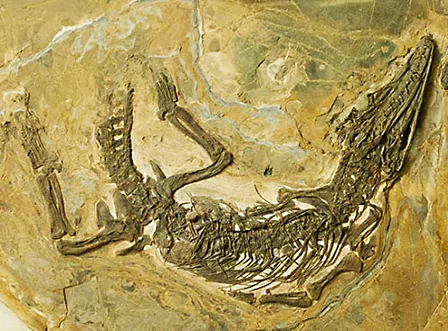
Paolo Uccello paints two versions of Saint George and the Dragon; the dragon becomes an almost abstract geometric form, its imagery inflected by Renaissance alchemical/occult interests.
While it’s unclear who this painting was for, its small scale and non-religious feel (more about an adventure than Christian virtue) suggest it was intended for someone’s home. It was also relatively cheap to make: oil on canvas contains no expensive pigments or gilding.

1461 CE
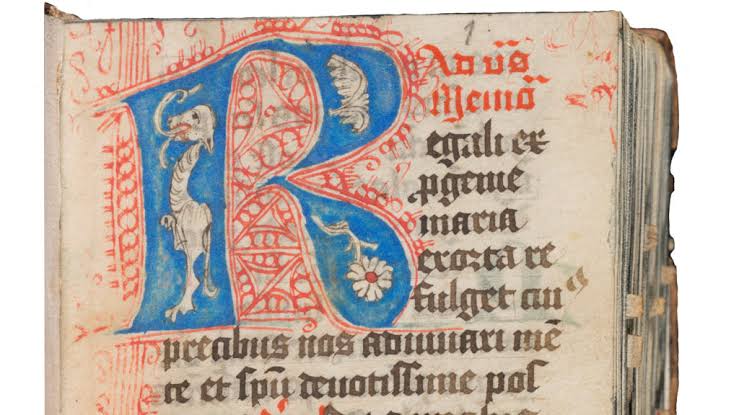
The Dragon Book — named for the illustration of a dragon wrapped around a massive R on the manuscript’s first pages — was found by Professor Erika Boeckeler after the book had been neglected and forgotten in Snell Library for years.
While the origins of the text are unclear, with researchers not even able to determine what the dragon on the first page means, the text is suspected to have been written by and for nuns in the Convent of Saint Catherine located near the city of Nuremberg in southern Germany after researcher Laura Packard discovered a reference in the book to Saint Catherine of Siena (sainted 1461). The life of the nuns at that time revolved around this and similar manuscripts, from which prayers were recited approximately every three hours daily. For example, this passage was meant to be read right before going to sleep, when they believed they were vulnerable to the preyings of the devil: “Sisters! Be sober and watch, for your adversary the devilgoes abo/ut like a roaring lion, seeking someone he may devour!” [Sorores sobrie estote et vigilate: quia adversarius vester dyabolus tamquam leo rugiens circuit querens quem devoret (f117v).]
1498–1504 CE
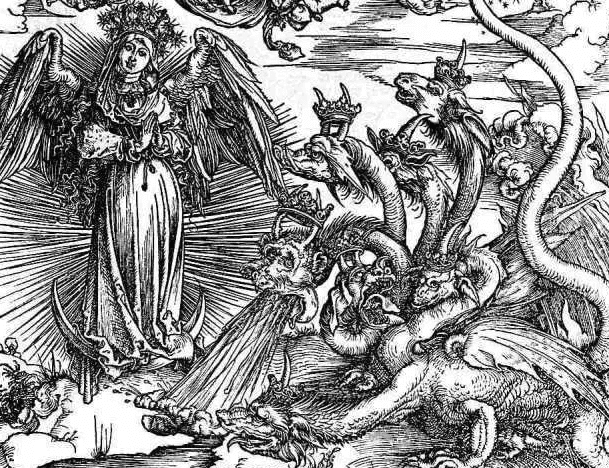
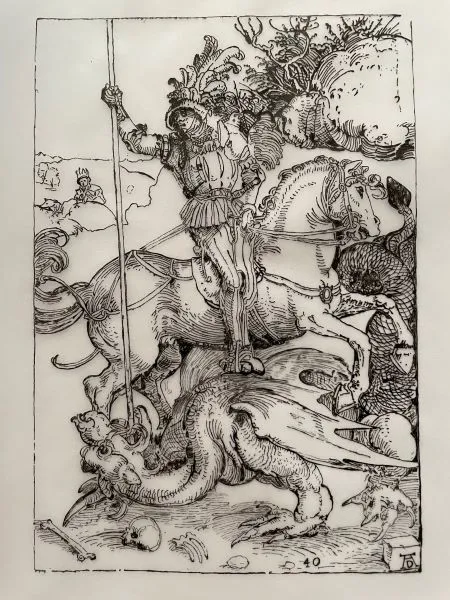
Albrecht Dürer's Apocalypse woodcuts (1498) and his Saint George and the Dragon engraving (c. 1501–1504) apply Northern Renaissance anatomical precision to the apocalyptic/chivalric dragon.
1100–1126 CE (Song dynasty, reign of Huizong)
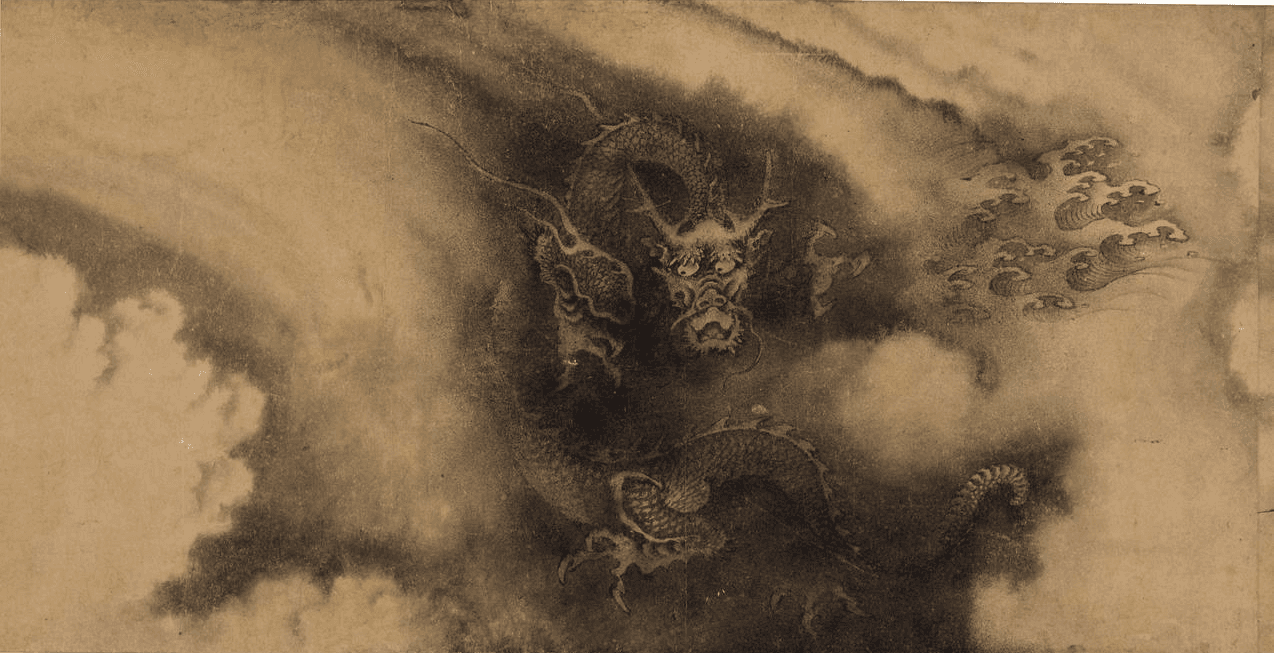
Emperor Huizong decrees that only the emperor may use the dragon image; unauthorised use is punishable by two years' imprisonment. Dragon is now familiar, sinuous, whiskered, clawed silhouette standardised.
11th–12th c. (Romanesque)
Dragons are depicted on church capitals, tympana, and croziers as bipedal, winged, cat/dog-faced hybrids attacking saints and lambs (e.g., Saint-Pierre, Beaulieu-sur-Dordogne, France). Serves as didactic warnings for illiterate congregations.

c. 2100 - 1500 BCE (Legendy Xia Dynasty)
A man named Dong Fu was skilled at rearing dragons and was granted the hereditary title Huanlongshi (豢龍氏/“Dragon-Rearing Clan”) by the sage-king Shun for this service.
Generations later, Liu Lei, who learned dragon-taming from the Huanlong clan, was given the title Yulongshi (“Dragon-Driving Clan”) by Kong Jia, a Xia-dynasty ruler, and tasked with tending several of Kong Jia's dragons. Unfortunately, this ends badly: one dragon is accidentally killed. So cover it up, he secretly served it to the king as food, and ultimately flees when the deception is discovered.

1600 - 1000 BCE
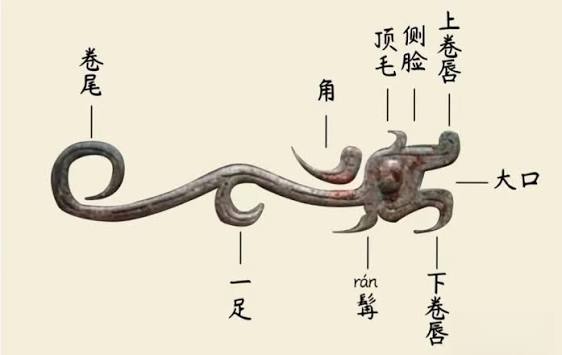
Shang dragon is often in kui-dragon form (夔龍): a standard, more linear motif on ritual bronzes, while jade dragons continue to be produced.
In Shuowen Jiezi (121 CE), the first Chinese dictionary of characters, the construction of the word Kui (夔) is composed of a destructive spirit that resembles a dragon with one foot (夊), plus the creature’s horns, hands, and human face.
221–210 BCE
Qin Shi Huang, first emperor of unified China, adopts the dragon as a personal/imperial emblem as part of unifying regional symbol systems under one state.
The possession of this imperial Chinese seal was seen as a physical symbol of the Mandate of Heaven (a philosophy that Heaven bestows the divine right to rule on a virtuous leader, known as the Son of Heaven). On it is inscribed:
"Having received the Mandate from Heaven, may (the emperor) lead a long and prosperous life."
The original Heirloom seal was lost at around the end of the Tang dynasty (618–907 CE) or during the Five Dynasties and Ten Kingdoms period (907–960 CE).

c. 1700–1100. BCE
In Enuma Elish (Babylonian creation epic), the storm-god Marduk slays Tiamat, the primordial sea-dragon of chaos, and builds the world from her body. This is referred to as the template “Chaoskampf” (order-god vs. chaos-dragon) myth.

1200–1100 BCE
Ugaritic Baal Cycle (Ras Shamra tablets): the storm-god Baal defeats the seven-headed sea-monster Lotan — the direct Canaanite ancestor of the biblical Leviathan. Hebrew scriptures (Job, Psalms, Isaiah) inherit this myth: they describe Leviathan and Tannin as chaos-serpents/sea-dragons symbolising God's enemies

313–380 CE
Edict of Milan (313) and Theodosius's establishment of Christianity as Rome's state religion (380) —> antique dragon imagery begins appearing more commonly in catacomb paintings and sarcophagi, recast as the Devil. "It was within this context that the dragon of antiquity gradually became co-opted to suit the visual codes of the new imperial faith."


700 – early 1000s CE
Beowulf serves as an important literary bridge, merging earlier pagan and religious motifs about dragons into a stabilised modern concept that still informs the standard European dragon for later medieval and modern fantasy. Traditionally, dragons were both traditional Germanic monsters (cursed treasure hoarders, greedy wyrms) and Christian symbols of evil, sin, corruption, and death. Beowulf’s unnamed dragon combines those strands into one coherent symbol: a fire-breathing (think hellfire), hoard-guarding gold-king, dangerous enemy of the people/community (not just to the hero). Importantly, this is the first piece of English literature to present a dragonslayer. This will inform the vast majority of later medieval saints’ legends and romances (think chivalric dragon fights).
Much later, J. R. R. Tolkien adapted Beowulf’s dragon to Middle-earth in The Hobbit (1937), one of the most important forerunners of modern high fantasy. Ultimately, Beowulf is central to dragon chronology because it defines the template that much of the later Western tradition plays with: the dragon as a greedy, destructive, fire‑breathing embodiment of evil and mortality, whose defeat is heroic.

c. 940s–950 CE
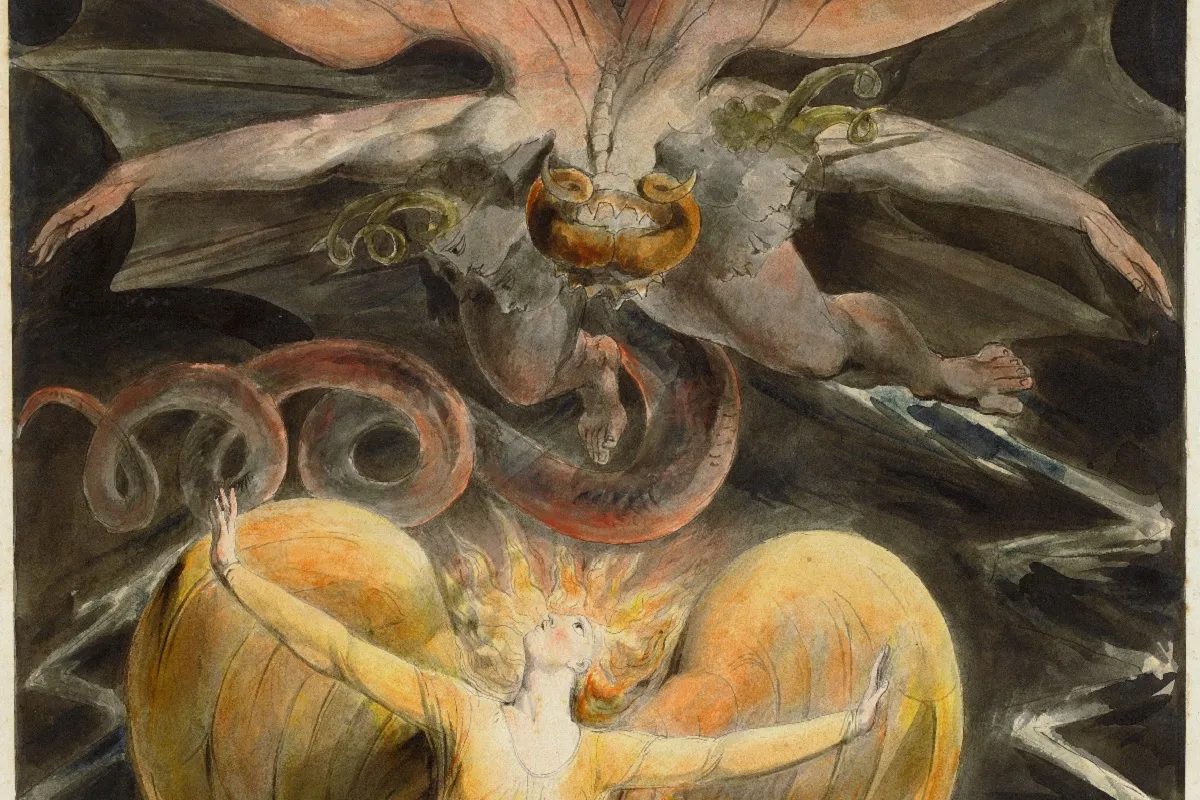
Beatus of Liébana's Commentary on the Apocalypse; the “Morgan Beatus” depicts the Great Red Dragon as a limbless serpent —evidence of the pre-transformation Christian dragon. The now-familiar quadruped dragon had not yet emerged, and the dragon still follows the serpentine tradition of Lotan.
“And there appeared a great wonder in Heaven; a woman clothed with the sun, and the moon under her feet, and upon her head a crown of twelve stars: And she being with child cried, travailing in birth, and pained to be delivered. And there appeared another wonder in Heaven; and behold a great red dragon, having seven heads and ten horns, and seven crowns upon his heads” (Revelation, 12.1-3)

c. 95 CE
Book of Revelation (ch. 12) describes the “great red dragon” with seven heads, explicitly identified with Satan — becomes the master text for all later Christian dragon symbolism. Notably, this did not immediately reshape European art! Christianity was a minority, often-persecuted faith for its first three centuries, and dragon imagery on Roman mosaics of that period (e.g., the 3rd-century Otricoli mosaic, now in the Vatican Museums) remained a legless, purely serpentine “sea monster” in the antique style.
4th c. BCE
Shan Hai Jing (山海經, Classic of Mountains and Seas) records the myth of Yinglong, the winged dragon who helps Huangdi defeat Chiyou by unleashing flood rains.
Commonly described as a winged dragon, sometimes linked with Huanglong in later tradition.

This partly explains the Qing Emperors' obsession with creating numerous imperial seals. In the early 20th century, as the Qing Empire was reforming and modernising its system of government, a series of seals were created for official imperial use. While the shape follows the traditional design, the seal die itself was made of wood in imitation of Western precedents. Similarly, while earlier Qing imperial seals were bilingual (Chinese and Manchu), this new set had only Chinese text. Four dies were made: they’re currently housed in the Palace Museum in Beijing, and none show signs of use.
After the fall of the Qing Empire in 1912, the Republic of China government likewise adopted a set of square-shaped official seals, but this fell out of use by 1954.
202–195 BCE
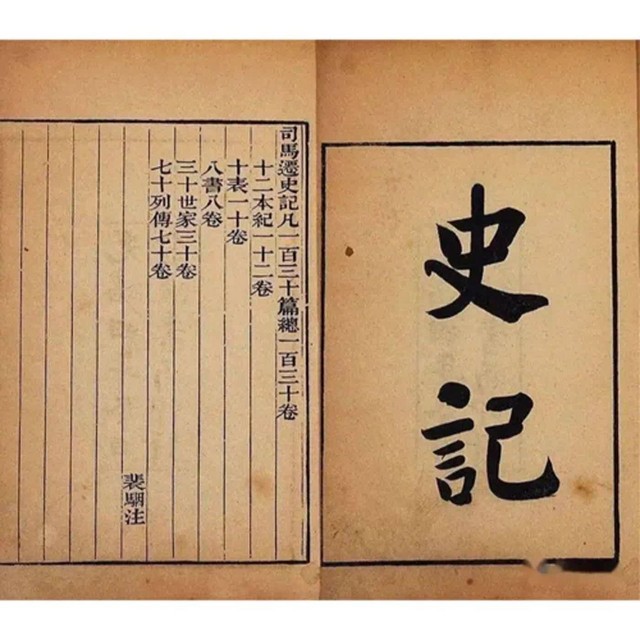
Sima Qian's Shiji records that Liu Bang, founder of the Han dynasty, was conceived when his mother encountered a dragon. This is the first explicit claim of literal dragon ancestry for a reigning emperor.
2nd c. CE
Nine resembles (九不像) is articulated by Han dynasty scholar Wang Fu. Describes how a dragon is composed of: a head like a turtle, antlers like a deer, eyes like a rabbit, ears like an ox, a neck like a snake, a belly like a clam, scales like a carp, claws like an eagle, and paws like a tiger.
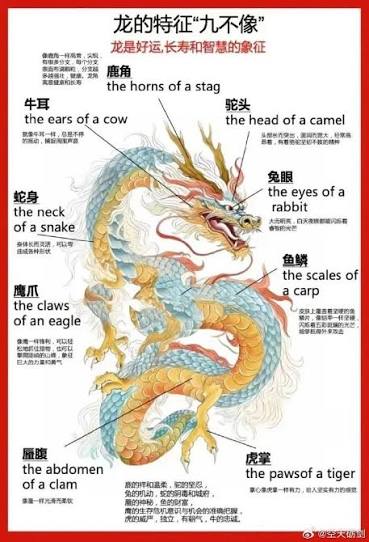
206 BCE–220 CE (Han Dynasty)
Dragon-invoking rain rituals and early dragon-dance ceremonies are practised; dragon imagery spreads widely across elite tombs, mirrors, and tiles, without yet being legally restricted to the throne.

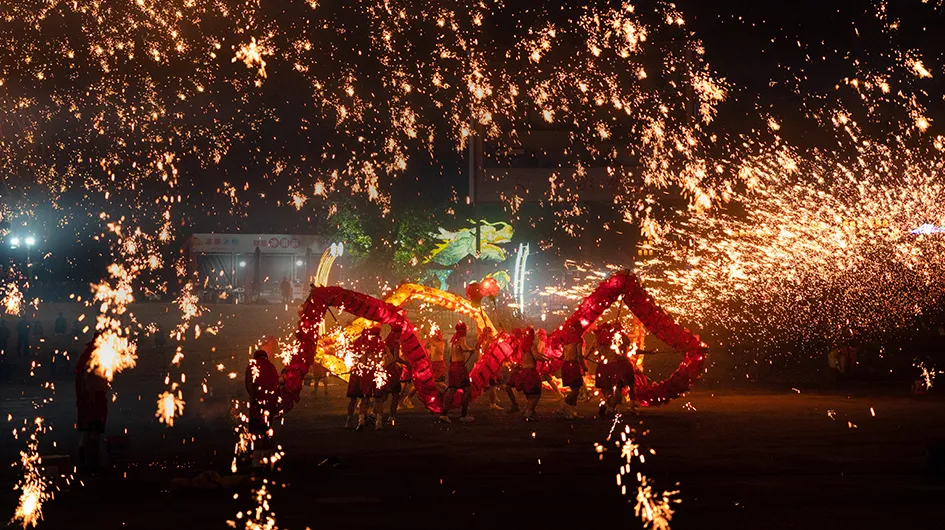
1100–1126 CE (Song dynasty, reign of Huizong)
Dragon dance becomes a common ceremonial entertainment at New Year and other festivals; the dragon's visual design is largely standardised by this period.

1271-1912 CE (Yuan, Ming, Qing Dynasty)
The five-claw / four-claw hierarchy is formalised: five-clawed dragons reserved for the emperor, four-clawed dragons (mang) permitted for princes and high nobility. The dragon shifts from red (Yuang, Ming dynsaty) to gold (Qing Dynasty).
Enforcement could be severe — a popular (but hard to fully verify) story describes a Jingdezhen porcelain painter and his family being executed for an unauthorised five-clawed design.

Early 17th c. - 18th c CE (peaking mid-18th c.)

Dutch potters begin producing Chinese-inspired blue-and-white ceramics; East India Company imports bring genuine Chinese long (dragon) imagery to Europe at scale for the first time.
Chinoiserie sweeps European decorative arts. Closely related to the Rococo movement, artists interpreted and imitated Chinese traditions to fit European tastes. Dragons were typically depicted with exaggerated scales and spines (sometimes rendered as stylised scrolls or foliate patterns), brighter colours, and traditionally European dragon attributes like bat-like wings and a fiercer, Gothic-dragon expression.

1937 - PRESENT
Tolkien publishes The Hobbit, in which Smaug is explicitly modelled on the unnamed dragon of Beowulf and on Fafnir (Norse mythology), setting the template for 20th-century fantasy dragons.
Dungeons & Dragons introduces a colour-coded taxonomy: evil “chromatic” dragons (1974 white box) and good “metallic” dragons (1975 Greyhawk supplement), with the dragon-queen Tiamat (named for the Babylonian goddess) and dragon-god Bahamut codified by the 1993 Monstrous Manual — the ancient Mesopotamian name loops back into pop culture. Role reminds me of Chinese dragons —all powerful, divine, and separated from the human realm.
Avatar: The Last Airbender (2006) draws deliberately on East Asian dragon design for its benevolent spirit-dragons, featured in the third season as mentors and guides. Notably, the dragons feature large, functional leathered wings. Unlike the Yinglong — tied to controlling water, rain, and floods — ATLA's dragons are tied to firebending.
The How to Train Your Dragon franchise (books 2003; films 2010) reframes the dragon as a misunderstood companion species — a decisive pivot away from the dragon-as-evil paradigm.

Smaug


Avatar: The Last Airbender
HTTYD 2 Concept Art
Black Dragons (DnD)
